Home Blog

Research Notes

Clinical study outcomes, evidence gaps, and published research notes.

These articles summarise published human studies where they exist, and say clearly when a topic is still driven more by theory, preclinical work, or market discussion than by robust clinical data.

25 April 2026 Weight-Loss Therapies

What the stronger weight-loss trials actually reported.

The best-established clinical outcomes on this page sit with obesity-focused incretin therapies. In STEP 1, once-weekly subcutaneous semaglutide plus lifestyle intervention produced substantially greater mean weight loss than placebo over 68 weeks in adults with overweight or obesity without diabetes. That trial is one of the clearest reasons peptide discussion around weight management became so visible in the broader market.

The practical takeaway is not simply that one compound outperformed placebo. It is that a modern obesity-focused peptide study can show durable, clinically meaningful bodyweight outcomes when the trial design is robust and the patient population is clearly defined. That makes this part of the literature far stronger than many other peptide topics that are still discussed online in much broader, less evidence-led ways.

Later work around retatrutide added another layer of attention, but the semaglutide trial remains the clearest place to start for readers who want one strong benchmark paper.

  • Outcome pattern: large between-group weight-loss difference versus placebo over a long follow-up window.
  • Evidence strength: strong human trial evidence.
  • Key reference: Wilding et al., N Engl J Med, 2021.

Semaglutide product scene on a laboratory table

Linked Paper

Preview card for the STEP 1 semaglutide study
22 April 2026 Retatrutide

Retatrutide after phase 2: what the published paper supports.

Retatrutide moved into mainstream peptide discussion because the phase 2 obesity trial published in 2023 reported substantial reductions in body weight over 48 weeks relative to placebo. That study did not settle every question around long-term use, but it clearly established retatrutide as a serious investigational compound in metabolic research rather than a purely speculative talking point.

What matters clinically is that the study was still a phase 2 trial. The signal was strong, but the compound remains investigational and the longer-term certainty that comes with later-stage programs is still developing. So the right way to write about retatrutide is with interest, but also with restraint.

  • Outcome pattern: marked bodyweight reduction over 48 weeks in adults with obesity.
  • Evidence strength: meaningful human phase 2 data, but still investigational.
  • Key reference: Jastreboff et al., N Engl J Med, 2023.
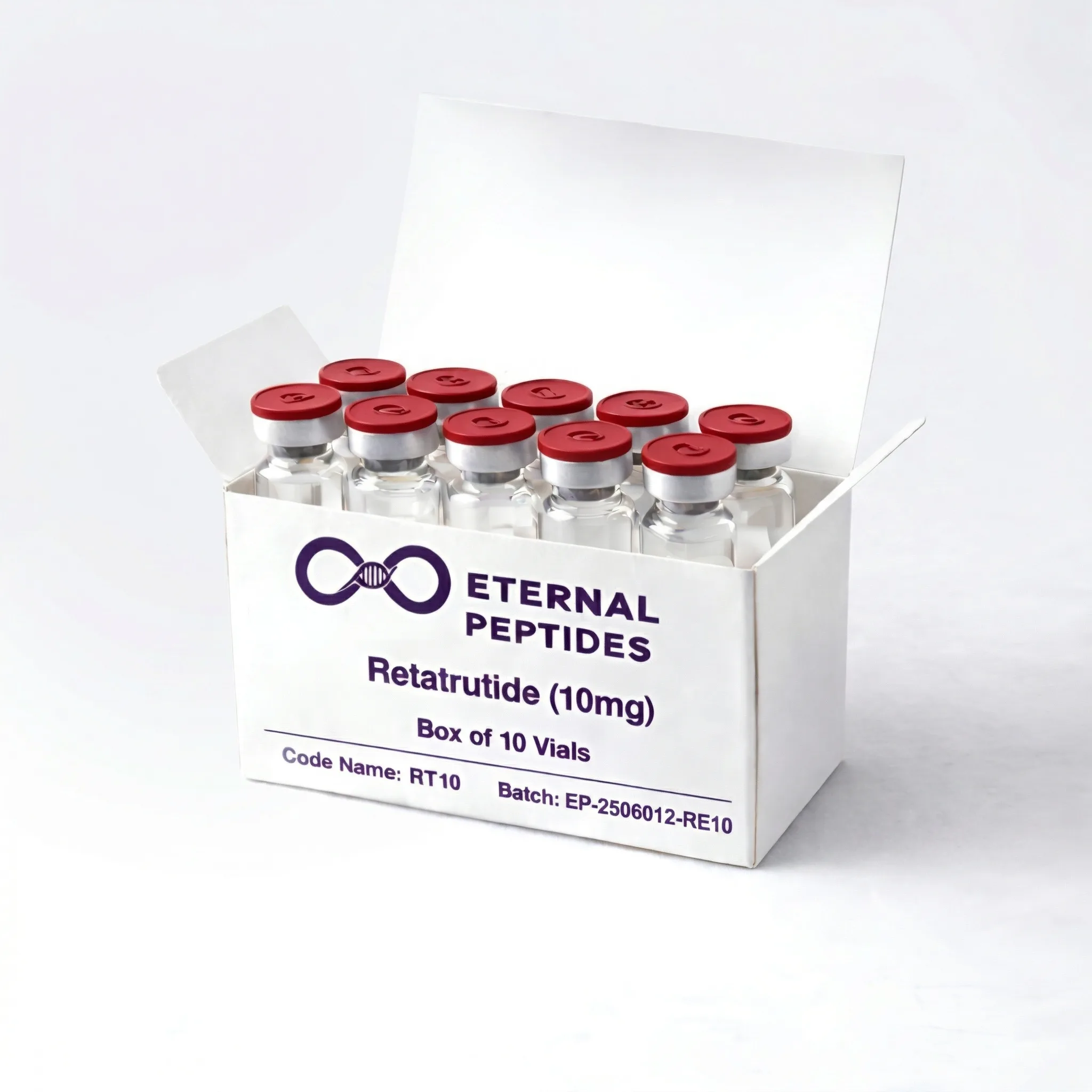
Retatrutide product image

Linked Paper

Preview card for the retatrutide phase 2 obesity trial
19 April 2026 Safety and Tolerability

What side-effect reporting looks like in the better studies.

When the clinical literature is strongest, side-effect reporting becomes more useful too. In semaglutide obesity trials and later reviews of the STEP program, gastrointestinal adverse events consistently stand out as the main tolerability issue. Nausea, vomiting, diarrhoea, and related effects appear often enough that they shape how the entire class is discussed in both trial and real-world settings.

The important point is not simply that side effects occur. It is that the human literature gives a clearer pattern for some compounds than for others. Readers should be more confident when the safety picture comes from repeated controlled trials and pharmacovigilance work, and more cautious when safety discussion is happening around compounds with far thinner human data.

  • Outcome pattern: gastrointestinal complaints dominate the reported adverse-event profile.
  • Evidence strength: good for GLP-1-related compounds, far less mature for many other peptide discussions.

Linked Paper

Preview card for the semaglutide adverse events paper
16 April 2026 Skin Research

Copper peptides and skin: more interest than trial depth.

Skin-related peptide discussion often points toward copper tripeptide systems such as GHK-Cu. The difficulty is that this topic is usually supported by a mix of mechanistic studies, ex vivo tissue work, and broader biological reviews rather than a long list of large, modern randomized human skin trials.

That does not make the topic uninteresting. It simply means the evidence has to be described with more caution. The better-supported point is that copper peptide systems show biological plausibility and tissue interaction. The less-supported point is any attempt to present them as if they already sit on the same clinical footing as the strongest obesity-related peptide trials.

  • Outcome pattern: supportive translational findings, but limited large-scale human clinical outcomes.
  • Evidence strength: thinner and more indirect than the metabolic literature.
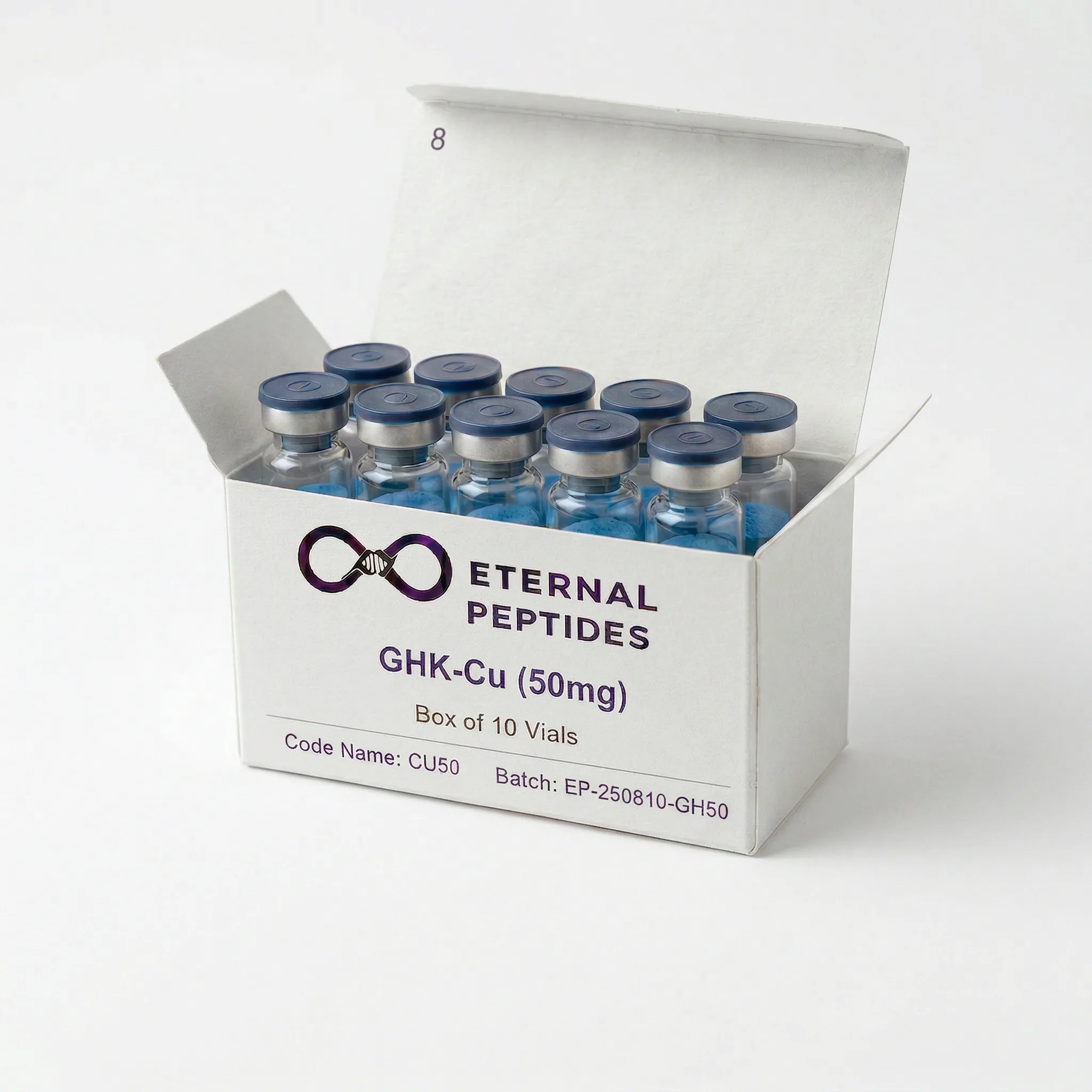
GHK-Cu product image

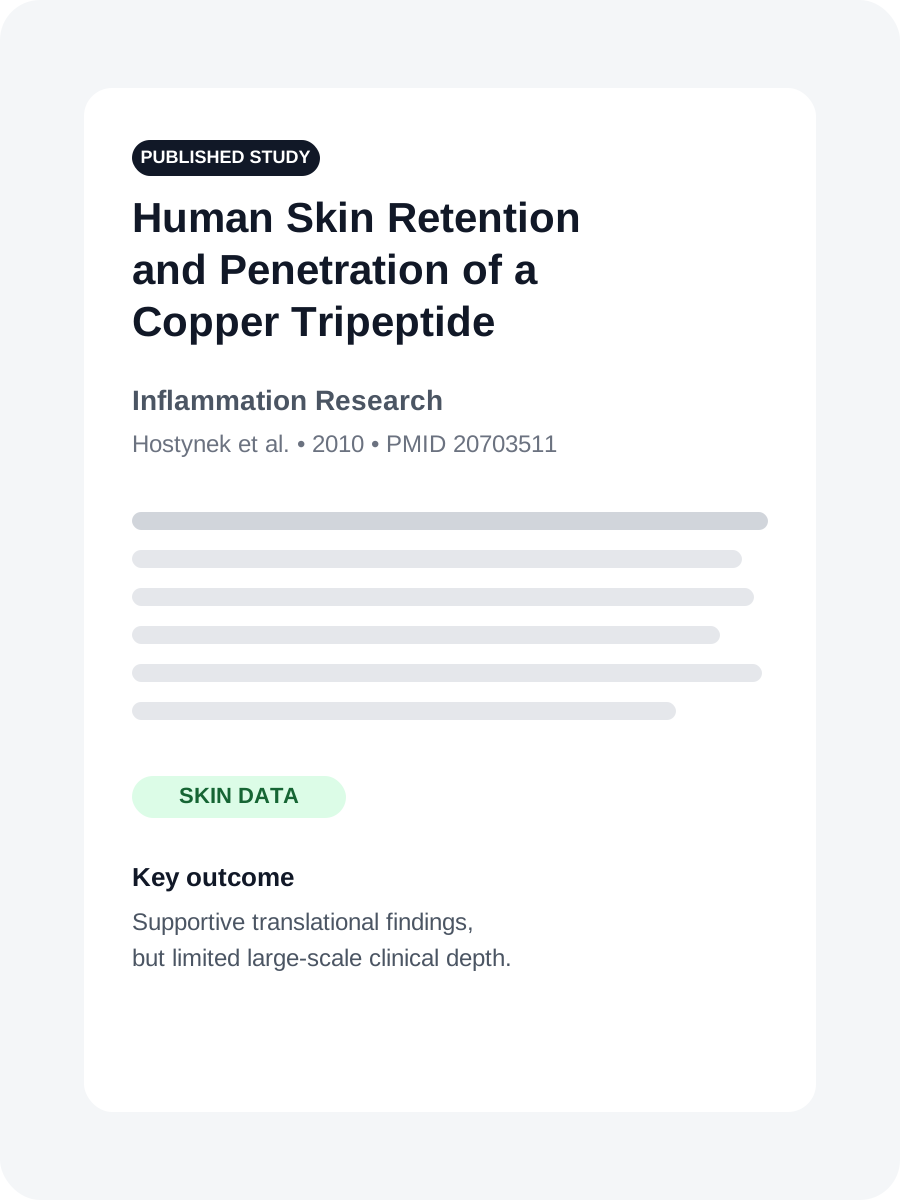
Linked Paper

Preview card for the copper tripeptide skin paper
13 April 2026 Muscle and Growth Hormone Signalling

Muscle-growth discussion versus measured human outcomes.

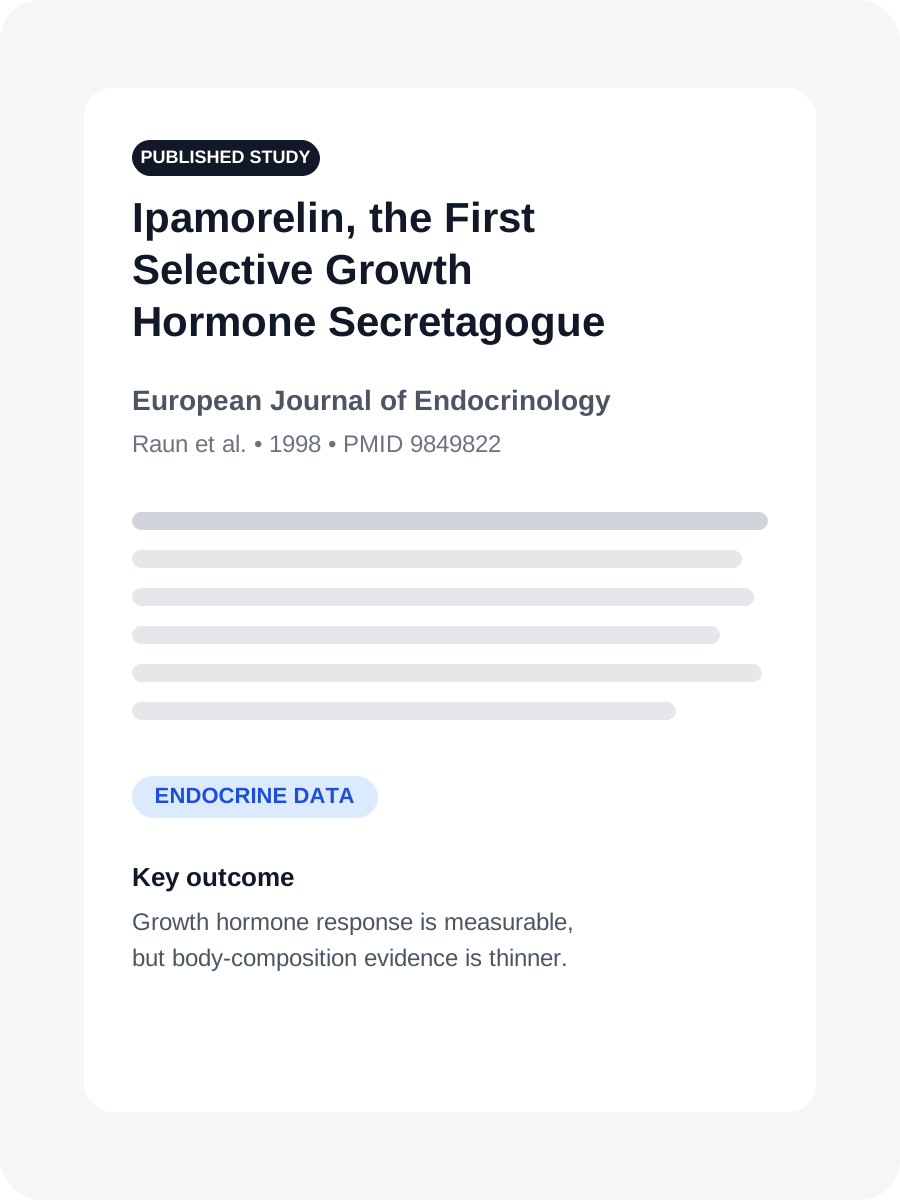
Muscle-growth talk around peptides often moves faster than the literature. Human studies on agents such as ipamorelin have shown hormone-related effects, including measurable growth hormone release in healthy volunteers. What they have not consistently provided is the kind of direct, modern body-composition trial record that online discussion can imply.

That distinction matters. A hormone response is not the same thing as a clinically demonstrated improvement in muscle mass, strength, or performance in a well-designed human trial. The right summary here is that the literature is interesting, but still narrower than many market narratives suggest.

  • Outcome pattern: measurable endocrine response, but limited direct human body-composition evidence.
  • Evidence strength: moderate for hormone signalling, weaker for broad muscle-growth claims.
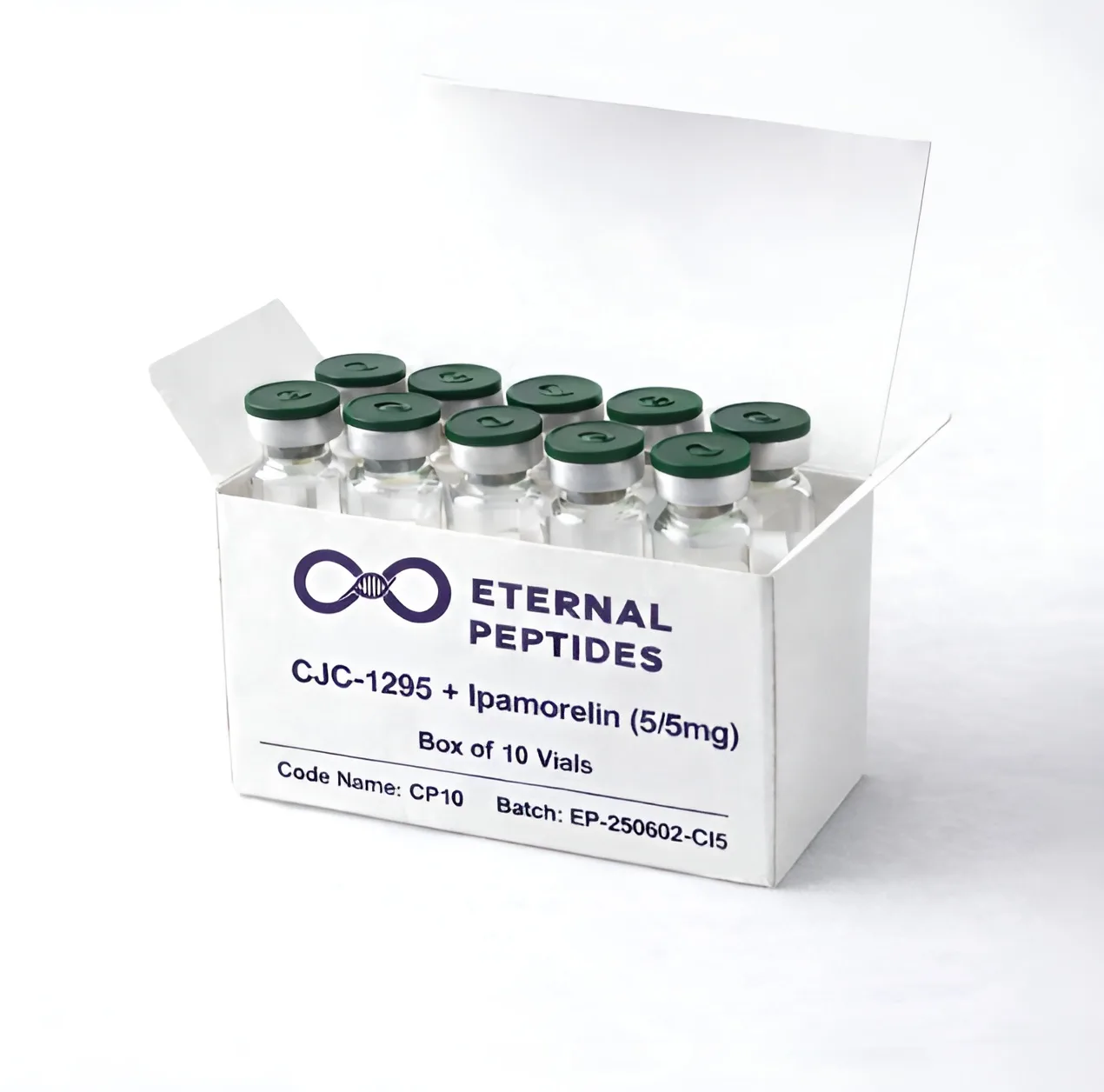
CJC and Ipamorelin product image

Linked Paper

Preview card for the ipamorelin study
11 April 2026 Delivery and Trial Design

Injection-based studies: why route and frequency matter in the outcome data.

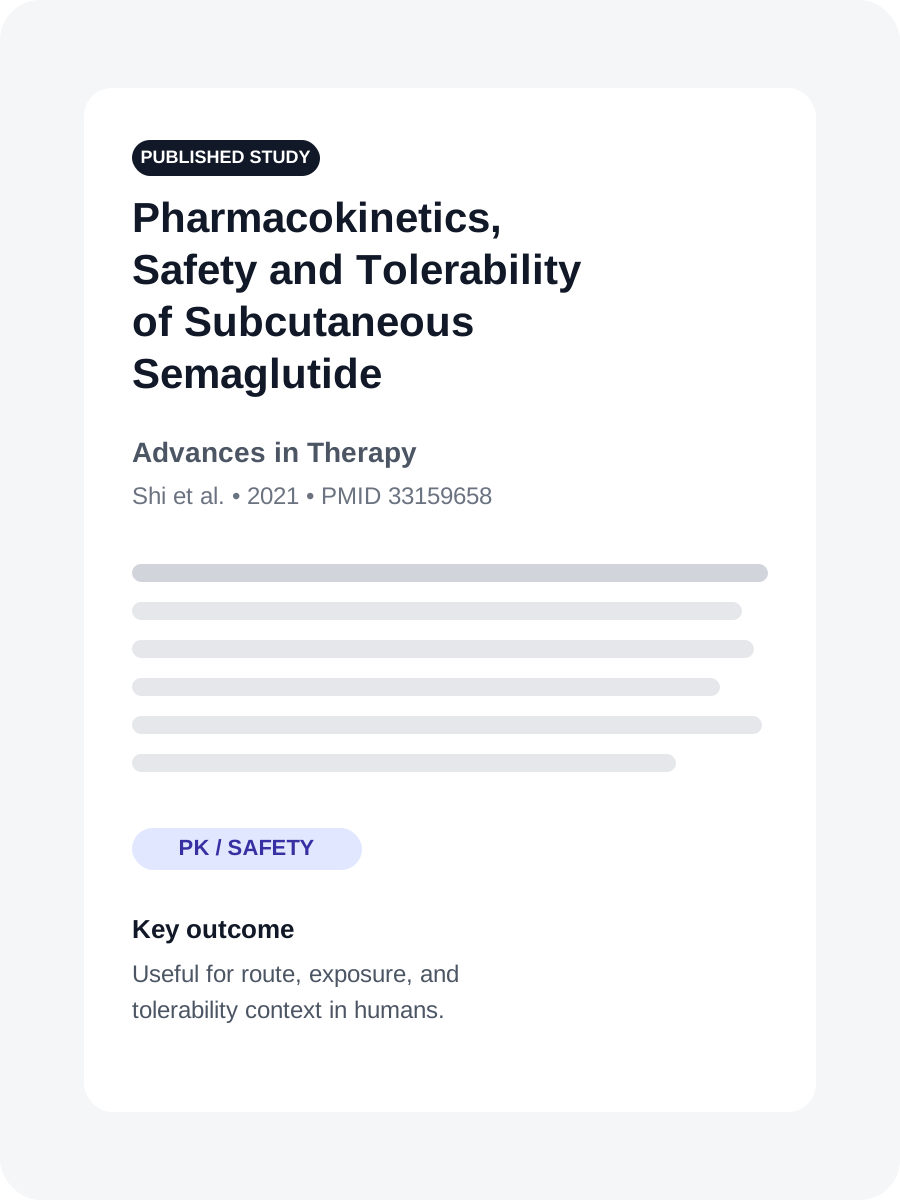
Route of administration does not create a clinical category on its own, but it does shape what a study can tell us. Many of the better-known modern obesity trials use once-weekly subcutaneous dosing, which matters because adherence, pharmacokinetics, and tolerability all sit inside that trial structure.

That is why injection-focused discussion is most useful when it stays close to the study design rather than drifting into generic statements. Once you know the compound, the dosing schedule, and the population, the route begins to mean something clinically.

Linked Paper

Preview card for the semaglutide pharmacokinetics study
10 April 2026 Peptide Basics

What researchers mean when they use the word peptide.

The word peptide is broad. On its own, it does not tell you whether you are looking at an obesity drug candidate, a cosmetic peptide system, a growth hormone secretagogue, or a compound with mostly preclinical support. The clinical literature becomes meaningful only when the term narrows into a specific molecule, dose, route, and study population.

That is why serious reading in this space always becomes compound-specific. General peptide interest is real, but the published outcomes that matter sit inside specific therapeutic or research programs rather than inside the generic word itself.

Bacteriostatic water product image
8 April 2026 Australian Market Context

Reading overseas clinical outcomes in an Australian market.

Interest in peptides across Australia is usually built on overseas trial data rather than on a separate Australian clinical literature stream. That is not a weakness by itself, but it does mean local discussion should stay anchored to the actual journals and trial outcomes rather than to broad product talk.

The cleaner way to read the market is this: local demand often follows international papers. When a compound produces strong, visible human outcomes in a serious journal, that interest tends to travel quickly into Australia as well. The evidence base, however, remains compound-specific and global.

6 April 2026 Commercial Interest and Study Quality

Why commercial interest usually follows published outcomes.

In this space, interest tends to grow around compounds after the literature becomes visible, not the other way around. That is why the better blog pages and study notes should stay close to the journals rather than to broad promotional language. The published outcome data are what give the discussion substance.

Put simply: where the literature is strong, discussion is easier to ground. Where the literature is early or thin, the writing needs more restraint. That difference is part of what separates a serious research-facing tone from a page that simply repeats market excitement.

Selected references

Wilding JPH et al. Once-Weekly Semaglutide in Adults with Overweight or Obesity. N Engl J Med. 2021. PMID: 33567185.

Jastreboff AM et al. Triple-Hormone-Receptor Agonist Retatrutide for Obesity: A Phase 2 Trial. N Engl J Med. 2023. PMID: 37366315.

Shi A et al. Pharmacokinetics, Safety and Tolerability of Once-Weekly Subcutaneous Semaglutide in Healthy Chinese Subjects. Adv Ther. 2021. PMID: 33159658.

Zhang X et al. Efficacy and safety of semaglutide for weight management: evidence from the STEP program. PMID: 36691309.

Shu Y et al. Gastrointestinal adverse events associated with semaglutide. PMID: 36339230.

Gobburu JV et al. Pharmacokinetic-pharmacodynamic modeling of ipamorelin in human volunteers. Pharm Res. 1999. PMID: 10496658.

Raun K et al. Ipamorelin, the first selective growth hormone secretagogue. Eur J Endocrinol. 1998. PMID: 9849822.

Hostynek JJ et al. Human skin retention and penetration of a copper tripeptide in vitro. Inflamm Res. 2010. PMID: 20703511.

Editorial note

The strongest direct human outcomes on this page sit with semaglutide and retatrutide in obesity-focused trials. Several other peptide topics remain much more dependent on endocrine-response studies, pharmacology papers, ex vivo work, or early-stage evidence.

That is why the articles above are written with uneven certainty by design. Where the literature is stronger, the conclusions can be stronger. Where the literature is thinner, the writing needs to stay measured.